

International Youth Day 2026: Different contexts - common aspirations
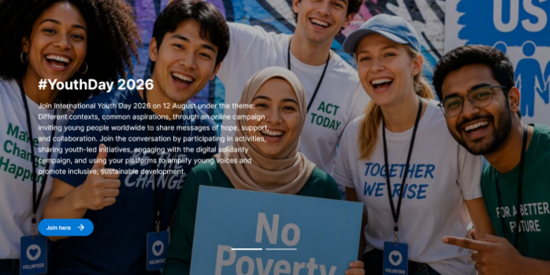

Young people may grow up in very different circumstances, but their aspirations are often remarkably similar: to learn, participate, stay healthy and shape their future. On International Youth Day 2026, the UNESCO Chair highlights why Physical Literacy can help turn these shared aspirations into opportunities for all.
12 August 2026 is International Youth Day. This year, UNESCO focuses on the theme “Different contexts - common aspirations”, highlighting both the diversity of young people's lives and the aspirations they share. UNESCO: International Youth Day
From the perspective of the UNESCO Chair on 'Physical Activity and Health in Educational Settings', this message resonates strongly. Access to meaningful opportunities for movement, learning and participation is an important part of young people's health and development.
Physical Literacy goes beyond physical skills. It encompasses motivation, confidence, physical competence, knowledge and understanding that enable people to participate in physical activity throughout their lives. Research increasingly shows the importance of integrating these dimensions into Quality Physical Education (QPE), while recognising that educational contexts differ substantially across countries. Global Physical Literacy Action Framework The Lancet Regional Health – Europe
For the UNESCO Chair, the message is therefore clear: different contexts require different approaches, but young people everywhere deserve opportunities to move, learn, participate and thrive. Strengthening Quality Physical Education and Physical Literacy can help make this shared aspiration a reality.
References
- UNESCO. (2026). International Youth Day: Different contexts - common aspirations.
- UNESCO Chair on Physical Activity and Health in Educational Settings. Global Physical Literacy Action Framework.
- Carl, J. et al. (2026). Alignment of physical education curricula with physical literacy across Europe. The Lancet Regional Health – Europe, 65, 101641.
Quick Links