

International Day of Play 2026: Championing Play Through Quality Physical Education
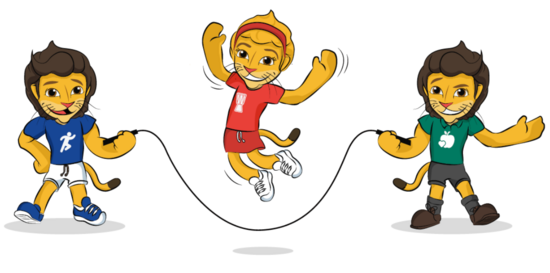
KaziKidz, a play-based Physical Education teaching and learning tool which follows the South African Curriculum Policy Statement (CAPS). Relevant learning content is presented in a child-friendly form also using cartoon as a medium, which allows the childlike viewer to identify with the main characters Kazi, Thandi and Jabu (KaziKidz Team, June 2026).

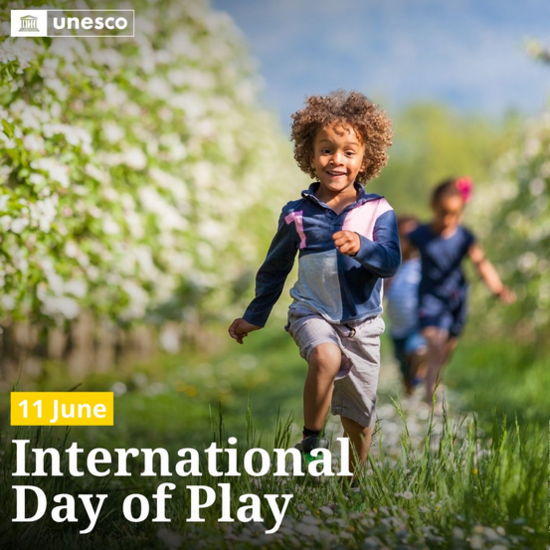
On the International Day of Play, the UNESCO Chair on Physical Activity and Health in Educational Settings at the University of Basel and Nelson Mandela University celebrates the transformative power of play in fostering healthy, active, and inclusive learning environments for children and young people worldwide. Play is a fundamental right of every child and a powerful driver of learning, well-being, creativity, and social development.
As part of the UNITWIN/UNESCO Chairs Programme, the UNESCO Chair promotes international collaboration in research, education, and community engagement to advance physical activity and health in educational settings. This work aligns closely with UNESCO's vision of Quality Physical Education (QPE), which advocates for inclusive, learner-centred, and developmentally appropriate physical education experiences that enable all children to develop the knowledge, skills, confidence, and motivation for lifelong participation in physical activity.
The International Day of Play, proclaimed by the United Nations and celebrated annually on 11 June, highlights the importance of protecting, promoting, and prioritising opportunities for play in children's everyday lives. More information is available on the official United Nations International Day of Play website:
🔗 International Day of Play: https://www.un.org/en/observances/international-day-of-play
KaziPlay Recognised as a Good Practice
A major milestone for the UNESCO Chair's work is the recognition of KaziPlay as an official UNESCO Good Practice. KaziPlay demonstrates how playground development, active school environments, and community engagement can contribute to healthier schools and healthier communities. Through evidence-based approaches, the initiative supports children's physical activity, well-being, and educational outcomes while creating safe and stimulating spaces for play and movement.
The KaziPlay Report 2025 – Healthy Schools for Healthy Communities documents the development, implementation, and impact of this initiative and provides practical guidance for educators, schools, communities, and policymakers interested in promoting play and active learning.
📖 Access the report:
https://zenodo.org/records/16780747
Supporting Quality Physical Education Through KaziKidz
The UNESCO Chair also highlights the KaziKidz Book (Grades 4–7), an open-access educational resource that supports the implementation of Quality Physical Education and health education in schools. The publication provides teachers with practical, curriculum-aligned activities that foster active learning through movement, play, and participation.
📖 Access the publication:
https://zenodo.org/records/20395039
Advancing UNESCO's Vision for Quality Physical Education
Quality Physical Education (QPE) is recognised by UNESCO as a key contributor to inclusive education, health promotion, and sustainable development. Through initiatives such as KaziPlay and KaziKidz, the UNESCO Chair continues to support the global implementation of QPE by generating evidence, developing educational resources, and fostering partnerships that create healthier and more active learning environments.
🔗 UNESCO Quality Physical Education (QPE):
https://www.unesco.org/en/quality-physical-education
On this International Day of Play, the UNESCO Chair reaffirms its commitment to promoting play-friendly schools and QPE. By creating opportunities for children to play, move, learn, and thrive, we can contribute to healthier futures for children, schools, and communities worldwide.
Quick Links