

Building a pathway for Physical Literacy
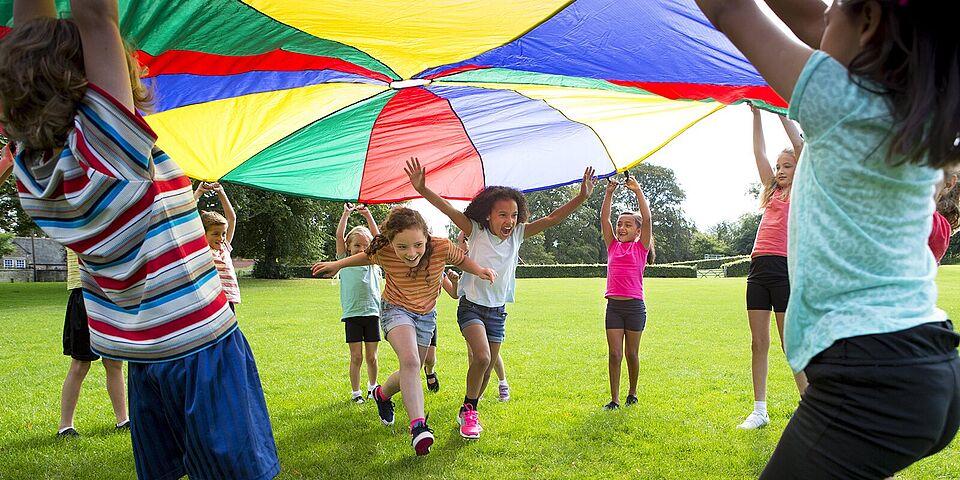
How can Physical Literacy be strengthened worldwide?
A new international study published in Sports Medicine provides an important step towards answering this question. The paper presents the development of the Global Physical Literacy (GloPL) Action Framework, a roadmap designed to guide research, policy, and practice in Physical Literacy, with the UNESCO Chair serving as a supporting society.
The framework was developed through an international consensus process involving 59 Physical Literacy experts from 46 countries. Using a group Delphi approach, experts identified five key areas for advancing Physical Literacy globally: advocacy, practice, education, assessment and research.
Together, these areas provide a shared roadmap for stakeholders working across education, sport, public health, healthcare and community settings. The framework also recognises the importance of adapting Physical Literacy approaches to different cultural, social and national contexts.
Contribution of the UNESCO Chair
The UNESCO Chair on ‘Physical Activity and Health in Educational Settings’ at the University of Basel and Nelson Mandela University contributed to the development and dissemination of the GloPL Action Framework. Members of the Chair were actively involved in the international process and continue to support the implementation of Physical Literacy, particularly in the context of Quality Physical Education (QPE) and educational settings from South Africa.
The framework represents an important milestone for the international Physical Literacy community. By bringing together expertise from across the globe, it provides a common foundation for turning shared ambitions into action and for strengthening opportunities for meaningful movement experiences throughout life.
Reference
Carl, J., Barnett, L. M., Jerebine, A., Mazzoli, E., Mouton, A., Barratt, J., Elsborg, P., Green, N., Niederberger, M., Sum, R. K. W., on behalf of the GloPL Consortium. (2026). The Global Physical Literacy Action Framework: Process and Outcomes. Sports Medicine.
Quick Links